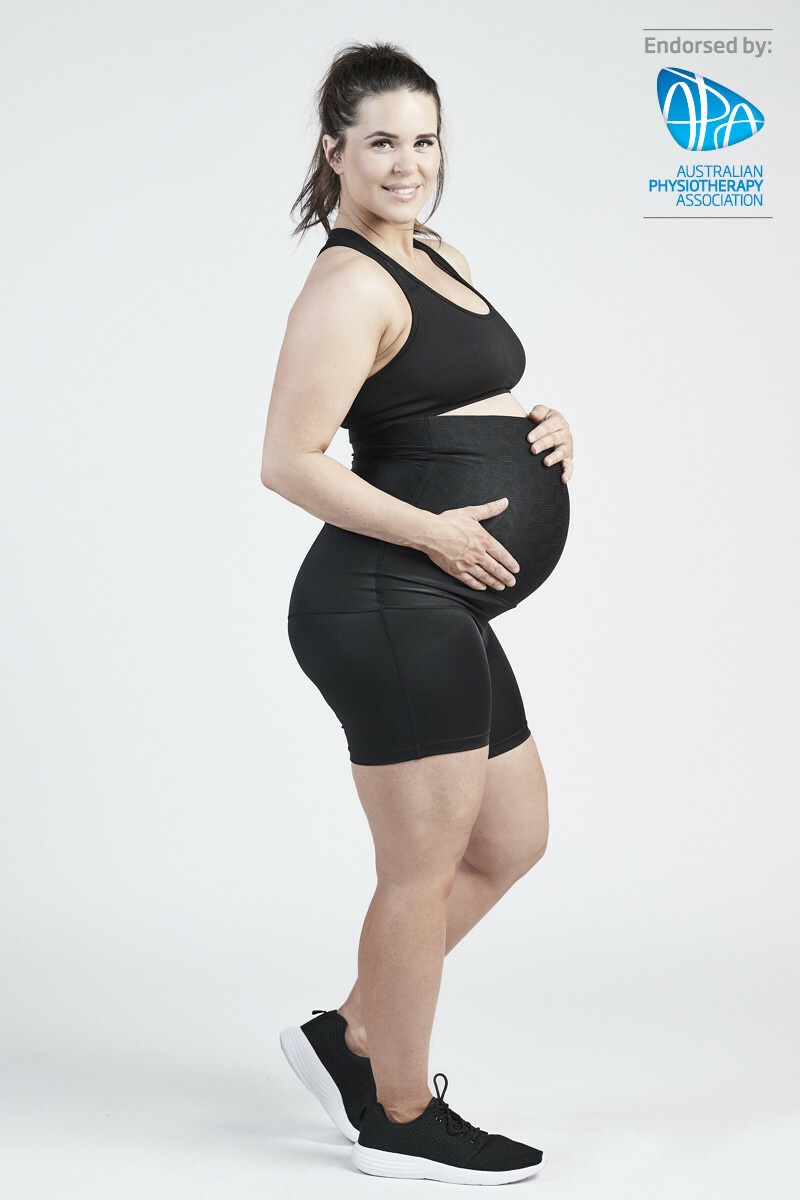
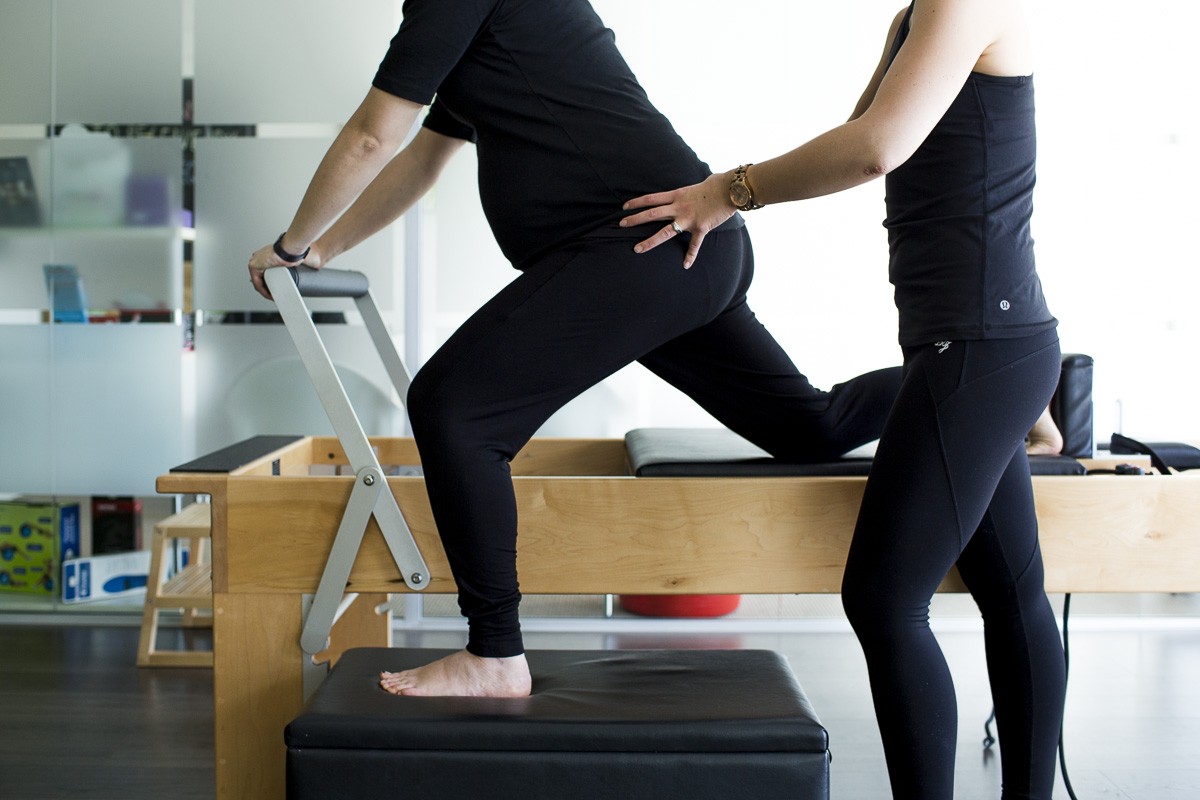
Pre and Postnatal Physiotherapy and SRC Shorts: Evidence-Informed Support During Pregnancy and Postpartum
Pregnancy and early motherhood ask a lot of the body. The abdominal wall lengthens, the pelvic floor adapts to load, posture shifts, and tissues respond to powerful hormonal changes. In pre and postnatal physiotherapy, we focus on supporting this transition – not just managing pain, but optimising recovery, function and long-term pelvic health. That’s where SRC Pregnancy and Postnatal Shorts can become a valuable adjunct to care.
They are not a replacement for rehabilitation. They are a tool that enhances it.
What Is Pre and Postnatal Physiotherapy?
Pre and postnatal physiotherapy is specialised physiotherapy care focused on the musculoskeletal, abdominal and pelvic floor changes that occur during pregnancy and after birth.
It commonly addresses:
- Pelvic girdle pain
- Sacroiliac joint dysfunction
- Lower back pain in pregnancy
- Abdominal muscle separation (diastasis recti)
- Pelvic floor weakness or heaviness
- Postnatal recovery after vaginal birth or caesarean section
- Safe return to exercise after birth
The goal is not simply pain relief. The goal is load management, tissue healing, strength restoration and long-term pelvic health.
Support garments such as those from SRC Health can be used as part of a broader physiotherapy treatment plan.
Pregnancy Physiotherapy: Managing Pelvic and Abdominal Load
During pregnancy:
- The abdominal wall lengthens to accommodate the growing uterus
- Hormonal changes affect ligament support
- Pelvic joints experience increased load
- Breathing mechanics shift
These changes can contribute to:
- Pregnancy-related pelvic girdle pain
- Pubic symphysis discomfort
- Sacroiliac joint instability
- Lower back pain
- Sensations of pelvic heaviness
How Physiotherapy Helps During Pregnancy
A pregnancy physio assessment may include:
- Pelvic stability testing
- Abdominal wall assessment
- Diastasis recti screening
- Pelvic floor muscle evaluation
- Movement and load analysis
Treatment may involve:
- Targeted strength exercises
- Gluteal and hip stabilisation
- Deep core coordination training
- Pelvic floor retraining
- Education on posture and load management
The aim is to keep women active and strong throughout pregnancy.
Where SRC Pregnancy Shorts or Leggings Fit In
Compression maternity garments such as SRC pregnancy shorts or leggings are designed to:
- Provide structured pelvic support
- Reduce excessive sacroiliac joint movement
- Support the lower abdominal wall
- Decrease sensations of pelvic pressure
In clinical practice, they may help:
- Reduce pregnancy pelvic girdle pain symptoms
- Improve walking tolerance
- Increase comfort during work or daily activity
- Support exercise participation
They do not replace rehabilitation. They may reduce symptom load while physiotherapy strengthens underlying structures.
Postnatal Physiotherapy: Early Recovery and Long-Term Strength
The postpartum period is a time of tissue healing and neuromuscular retraining.
After birth:
- The abdominal wall remains lengthened
- The pelvic floor may be stretched or traumatised
- Connective tissue integrity is temporarily reduced
This is when guided physiotherapy is critical.
What Postnatal Physiotherapy Involves
A postnatal physiotherapy appointment may include:
- Pelvic floor strength and coordination assessment
- Abdominal separation measurement
- Scar assessment following caesarean section
- Individualised return-to-exercise planning
Treatment focuses on:
- Deep core activation
- Pelvic floor rehabilitation
- Gradual strength progression
- Return to running or high-impact guidance
How SRC Postnatal Shorts May Support Recovery
SRC postnatal recovery shorts or leggings provide medical-grade compression designed to:
- Support the abdominal wall during early healing
- Reduce strain through diastasis recti
- Decrease pelvic floor pressure during daily tasks
- Provide gentle containment after caesarean birth
In early postpartum weeks, this support may:
- Improve comfort when walking
- Increase confidence with movement
- Reduce symptom flare-ups
- Assist transition back to structured exercise
However, compression does not restore muscle function. Targeted rehabilitation restores muscle function.
Support garments are best used:
- In the first 6–12 weeks postpartum
- During longer periods on your feet
- When returning to gym training
- During symptom flare-ups
Over time, reliance should decrease as strength improves.
The Evidence-Informed Approach
Current research supports:
- Early pelvic floor rehabilitation
- Graded loading postpartum
- Strength-based recovery models
- Active management of pregnancy-related pain
External compression may reduce mechanical strain and symptom severity, which can improve participation in active rehabilitation.
The most effective recovery model combines:
- Individualised physiotherapy assessment
- Targeted exercise prescription
- Education on pressure management
- Progressive strength training
- Optional short-term external support
Pre and Postnatal Physio + Support = Better Long-Term Outcomes
Pregnancy and postpartum are not periods to “push through pain” – nor are they times for complete rest.
They are periods requiring:
- Strategic load management
- Structured rehabilitation
- Professional guidance
- In some cases, external support
SRC pregnancy and postnatal shorts can be one component of a comprehensive care plan — helping reduce discomfort while strength, coordination and pelvic health are rebuilt.
If you are experiencing pregnancy pelvic pain, abdominal separation, or are unsure how to safely return to exercise after birth, a pre and postnatal physiotherapy assessment can provide clarity and direction. Book in with one of our experienced physiotherapists.