
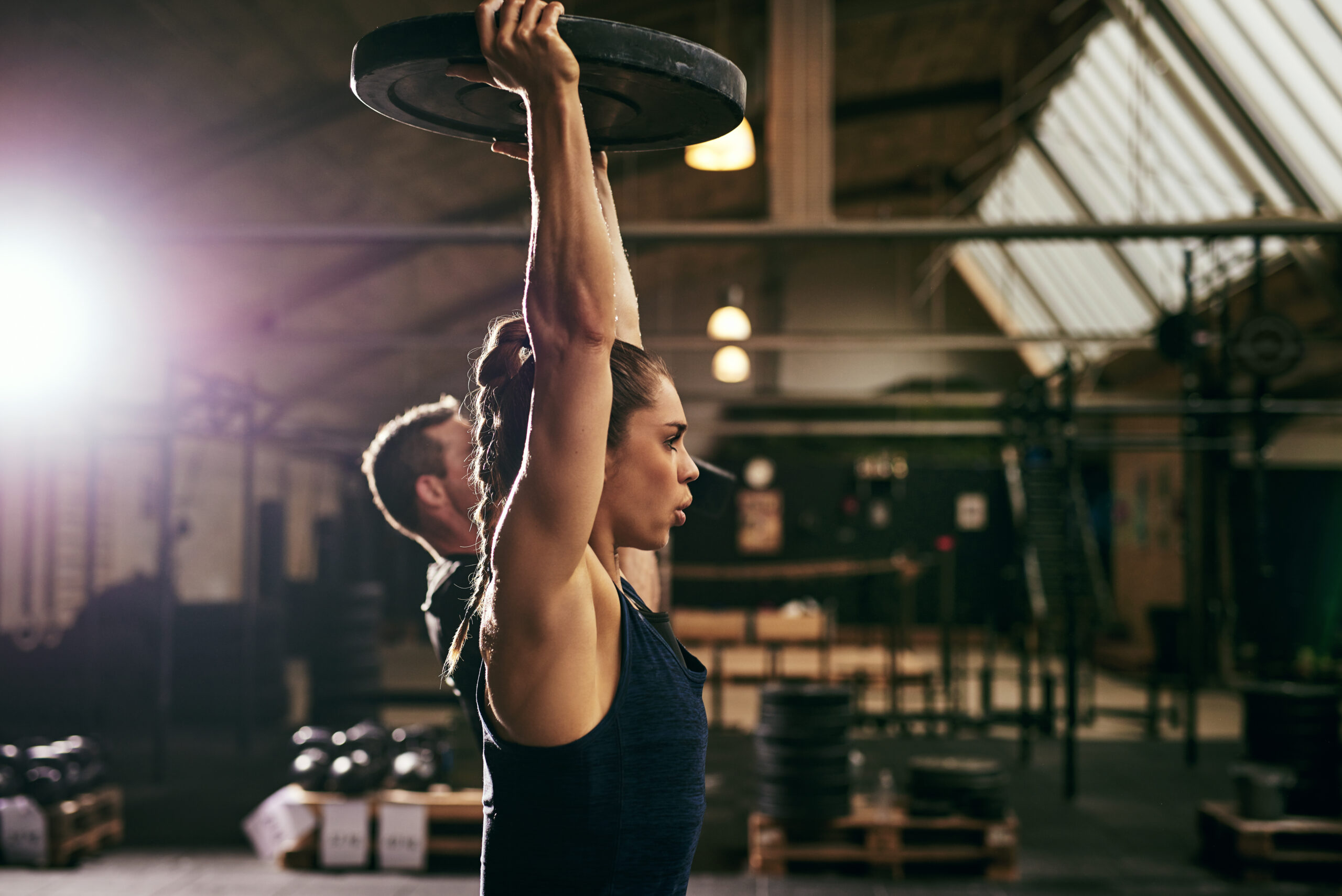
Perimenopause and Strength Training Why It Is Essential
More women in their 40s and 50s experiencing perimenopause are turning to strength training – not just for fitness, but because their bodies are starting to feel different.
At Physio On Miller, we’re seeing a significant rise in women seeking physiotherapy support during perimenopause. Often, they arrive frustrated and confused:
“My body suddenly feels stiffer.”
“I’m getting injured more easily.”
“My usual workouts aren’t working anymore.”
“I feel weaker, even though I’m exercising.”
These changes are real – and increasingly recognised in both physiotherapy and sports medicine.
What Happens to the Body During Perimenopause?
Perimenopause is the transitional phase leading up to menopause, and it can begin years before periods stop completely. During this time, fluctuating hormones – particularly oestrogen – can affect far more than reproductive health.
Oestrogen plays an important role in:
- Muscle repair and recovery
- Tendon and ligament health
- Bone density
- Sleep quality
- Energy production
- Nervous system regulation
As hormone levels fluctuate, many women notice changes in how their body tolerates exercise and stress.
This can show up as:
- Increased muscle soreness
- Joint stiffness
- Tendon pain
- Reduced recovery capacity
- Sleep disruption
- Lower exercise tolerance
- Weight changes despite consistent habits
Importantly, these symptoms are not simply “getting older” or becoming unfit. They reflect real physiological changes happening within the body.
Why Strength Training Matters More Than Ever In Perimenopause
One of the strongest trends emerging in health and wellness is the shift toward strength training for longevity – particularly for women in midlife.
Research continues to show that resistance training can help support:
- Muscle mass and metabolism
- Bone density
- Joint stability
- Balance and injury prevention
- Healthy ageing
- Confidence and mental wellbeing
Strength training also becomes increasingly important because women naturally lose muscle mass as they age, particularly during and after menopause.
This doesn’t mean you need to train like an athlete or spend hours in the gym.
For many women, the most effective programs focus on:
- Progressive strength work
- Consistency over intensity
- Good movement quality
- Recovery and load management
- Exercises that support daily life and sport
The “All or Nothing” Exercise Trap
A common pattern we see at Physio On Miller is women continuing to push through high-intensity exercise while ignoring the signals their body is giving them.
Many active women are balancing:
- Demanding careers
- Family responsibilities
- Poor sleep
- High stress loads
- Busy training schedules
When recovery capacity changes during perimenopause, the old approach of “push harder” can sometimes backfire – leading to recurring injuries, exhaustion or persistent pain. This is where physiotherapy can help. Rather than stopping exercise, the goal is to adapt training to work with your body instead of against it.
Exercise Should Support Your Body – Not Deplete It
The most successful midlife exercise routines are often the ones that feel sustainable.
For some women, this means:
- Adding more strength work
- Reducing excessive high-intensity training
- Improving recovery between sessions
- Addressing mobility and stability deficits
- Understanding how stress impacts physical symptoms
At Physio On Miller, we help women stay active through all stages of life – whether that’s continuing netball, returning to running, training in the gym or simply wanting to feel stronger and more confident in their body again.
Because midlife is not the beginning of decline.
For many women, it can become the beginning of training with greater awareness, strength and longevity than ever before.
If your body has been feeling different lately – more stiff, sore, fatigued or injury-prone – you don’t have to simply push through or figure it out alone.
At Physio On Miller, our physiotherapists understand the unique changes that occur during perimenopause and midlife, and we help active women continue doing the things they love with confidence.
Whether you’re struggling with recurring injuries, wanting to return to exercise safely, or looking to build strength for long-term health, we can help you create a plan that works with your body – not against it.
Book an appointment with our team today and start feeling stronger, more resilient and more supported in your movement again.