Visit our Clinic
Suite 6, 506 Miller St, Cammeray
Opening Hours
Mon - Fri 7.30am - 7.30pm, Sat 8am - 12pm

How to get a better night’s sleep

We’re all in need of a good sleep and to round out the week of Women’s Health Week today’s topic is sleep and fatigue.

Some facts about sleep:

  • Poor sleep can lead to health issues such as heart disease and diabetes.
  • In women of reproductive age, a lack of sleep can lead to an increase in total fat and carbohydrate intake
  • Poor sleep and lowered energy levels are commonly reported by women whenever oestrogen levels are low, such as around your period, during breastfeeding and around menopause
  • Menopause is a time many women experience insomnia and sleep disorders.
  • During perimenopause there is an increase in women suffering from sleep apnoea regardless of age or weight

Tips for a better night’s sleep

  • Keep a good sleep routine
  • Try to get 7-9 hours sleep on average
  • Cut out screen time before bed, switch off at least 2 hours before going to sleep
  • Reduce your caffeine intake

We hope you’ve had a great week and enjoy a restful weekend (these helpful tips might be a start to a great weekend).

Benefits of Physical Activity

Today we’re looking at Physical Activity as part of Women’s Health Week and the many benefits to your health.

Recommended amount of physical activity per week:

  • Be active everyday (this can be walking to get a coffee, grabbing a bit to eat for lunch or hopping off the bus one stop early)
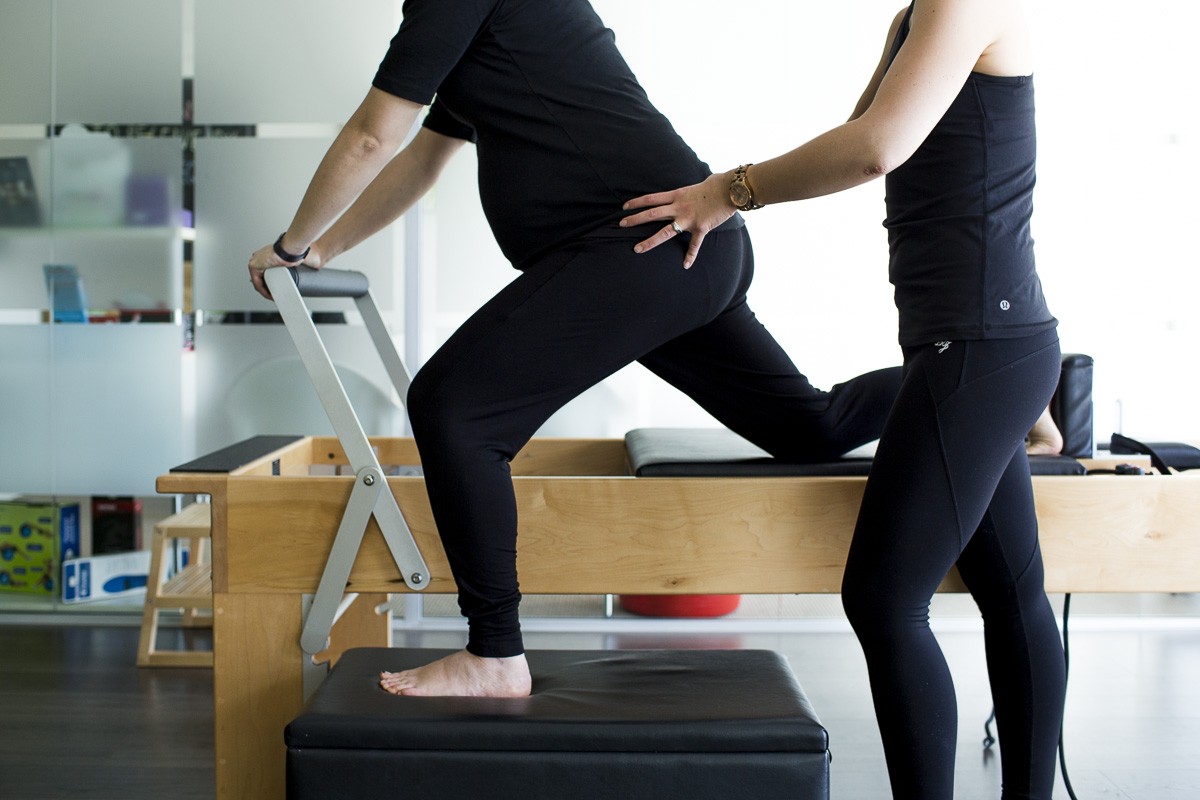
  • Do muscle strengthening exercises 2 times per week – this can be swimming, weights at the gym or Pilates
  • 2 ½ – 5 hours or moderate exercise per week or 1 ¼ or 2 ½ hours of intense exercise per week

The Benefits of Being Physically Active

  • Reduce risk of chronic disease such as diabetes, heart disease, osteoporosis
  • Reduce the symptoms of osteoarthritis
  • Improve blood pressure, cholesterol and blood sugar levels
  • Assist in maintaining a healthy weight
  • Build strong muscles and bones
  • Great for mental health

Tips on how to be active:

  • Get up more often at work (set your alarm every 30 minutes)
  • Take the stairs rather than the lift
  • Walk to the shops rather than driving
  • Get a buddy to exercise with
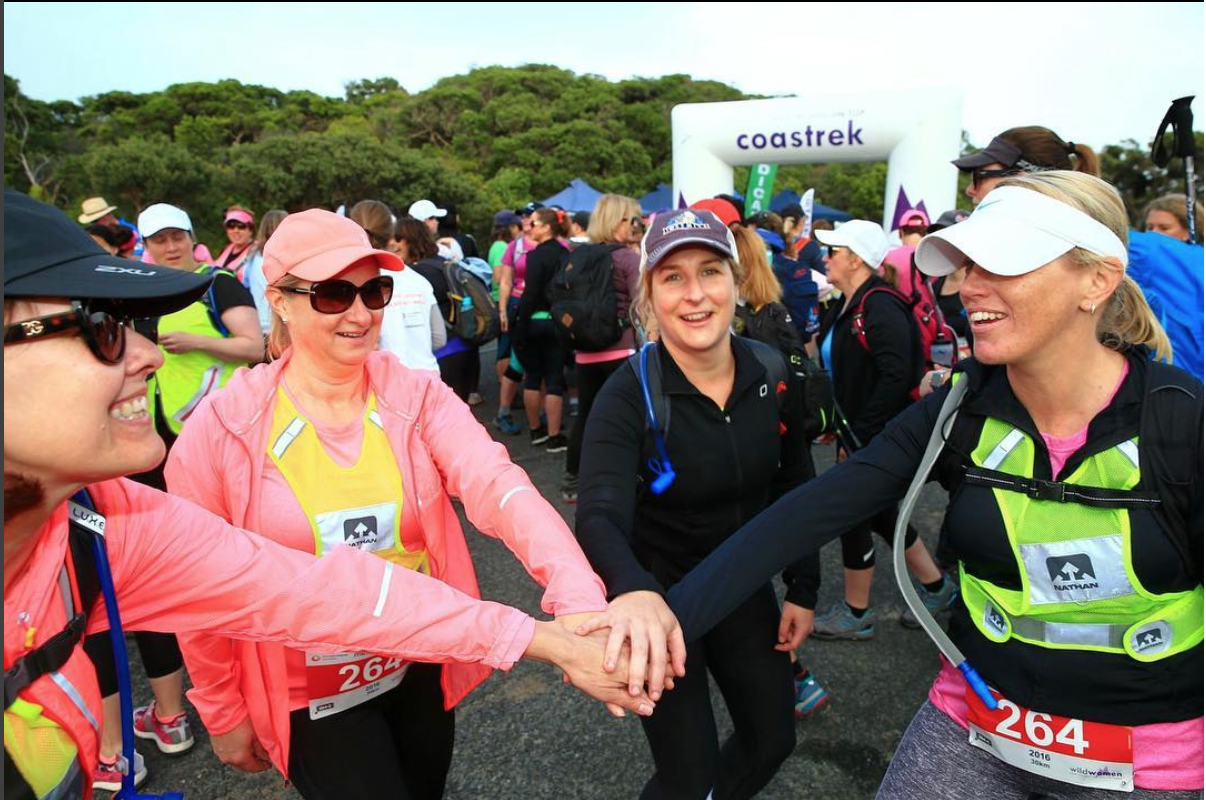
  • Join the gym or a group training class
  • Come to Physio On Miller for Pilates

Bone density and good bone health

Today marks the Half way point of Women’s Health week! The focus for today is bone health.

Bones are very important for our overall health. Not only do they allow us to move, they provide a strong protective structure around our organs, help to make blood cells and act as a storage space for minerals.

Bones are constantly remodelling to accommodate the stress that we put through them on a daily basis. By the age of thirty our bones have reached a peak in bone density.

At menopause Oestrogen, the hormone that protects your bone density, reduces rapidly. This continued reduction in bone density can lead to Osteoporosis.  Osteoporosis makes your bones brittle and prone to fractures.

How can you keep your bones healthy and strong?

  • Eat calcium rich foods such as dairy, tofu, broccoli or sardines.
  • Have some sun safe time in the sun to increase Vitamin D levels.
  • Participate in weight-bearing physical activity such as walking, jogging or skipping.
  • Include resistance training as part of your exercise – this can be Pilates, group training or weights at the gym.

Mindfulness and Pain

Mindfulness is the hot discussion topic for day number two of Women’s Health week. Research has shown that Mindfulness can be effective in helping us manage depression and anxiety. It can help to decrease stress, worry and anger.

But what is Mindfulness?

Mindfulness is about paying more attention to the present moment, being aware of what we are doing and where we are, without being distracted by the busy world around us. Mindfulness allows us to clear the mind and become responsive rather than reactive to situations.

Anyone can practice mindfulness!  Follow these simple tips to introduce mindfulness into your day:

  • Eating mindfully – enjoy your eating savouring each mouthful and away from screens, on the move or not at all
  • Daily mindfulness activities – use a daily task such as having a shower, catching the bus to be present to the moment
  • Walking mindfully – focus on your pace and breath while engaging your core and pelvic floor and enjoy the outdoors which can bring so much joy!

How can Mindfulness affect my pain levels?

Many people experience pain at some point in their lives but for those suffering from increased levels of stress, anxiety or depression these symptoms can be particularly intense and difficulty to manage. A review of the research found mindfulness can help reduce pain and depression symptoms and improve quality of life.

Women’s Health Week

Today marks the first day of the national Women’s Health Week – a week for women to stop and make their health a priority. This year, each day will focus on a different element of women’s health including heart health, mindfulness, bone health, physical activity and sleep and fatigue.

As health professionals we are encouraging you to get to know the facts to prevent illness and make positive changes in your life which can have a huge impact on your health.

Today we look at Heart Health

  • Heart disease is one of the biggest killers in women in Australia
  • Your risk of heart disease significantly increases following menopause
  • Get regular check ups with your GP to check blood pressure, cholesterol and blood sugar levels
  • Symptoms of heart attack are different to men and may present as dizziness, breathlessness or feeling sick, pain in the back, arm or jaw
  • Positive changes you can make:
    • Spend less time sitting
    • Snack on healthy nuts such as almonds or walnuts
    • Eat a healthy diet full of plants, legumes and a little fish and lean meat

For more information on how to live a healthy lifestyle particularly when it comes to heart disease click here.

If you are concerned about your heart health make sure you book an appointment with your GP. If you’re looking to improve your activity levels come and have a chat with one our physios to get a tailored exercise program to suit you.