Visit our Clinic
Suite 6, 506 Miller St, Cammeray
Opening Hours
Mon - Fri 7.30am - 7.30pm, Sat 8am - 12pm
World Physiotherapy Day physio low back pain physio_on_miller_pilates_cammeray

World Physiotherapy Day: More Than Just Treating an Injury

World Physiotherapy Day | Physio On Miller, Cammeray

Physiotherapy is often the first thing people think of when they are injured or in pain. But physiotherapy is about much more than getting you back on your feet after an injury.

At Physio On Miller in Cammeray, our focus is on helping you recover well, move confidently and build a body that is better prepared for whatever life throws at it.

Because the goal isn’t simply to feel better today. It is to help you stay active tomorrow, next month and for years to come.

Recovery that goes beyond hands-on treatment

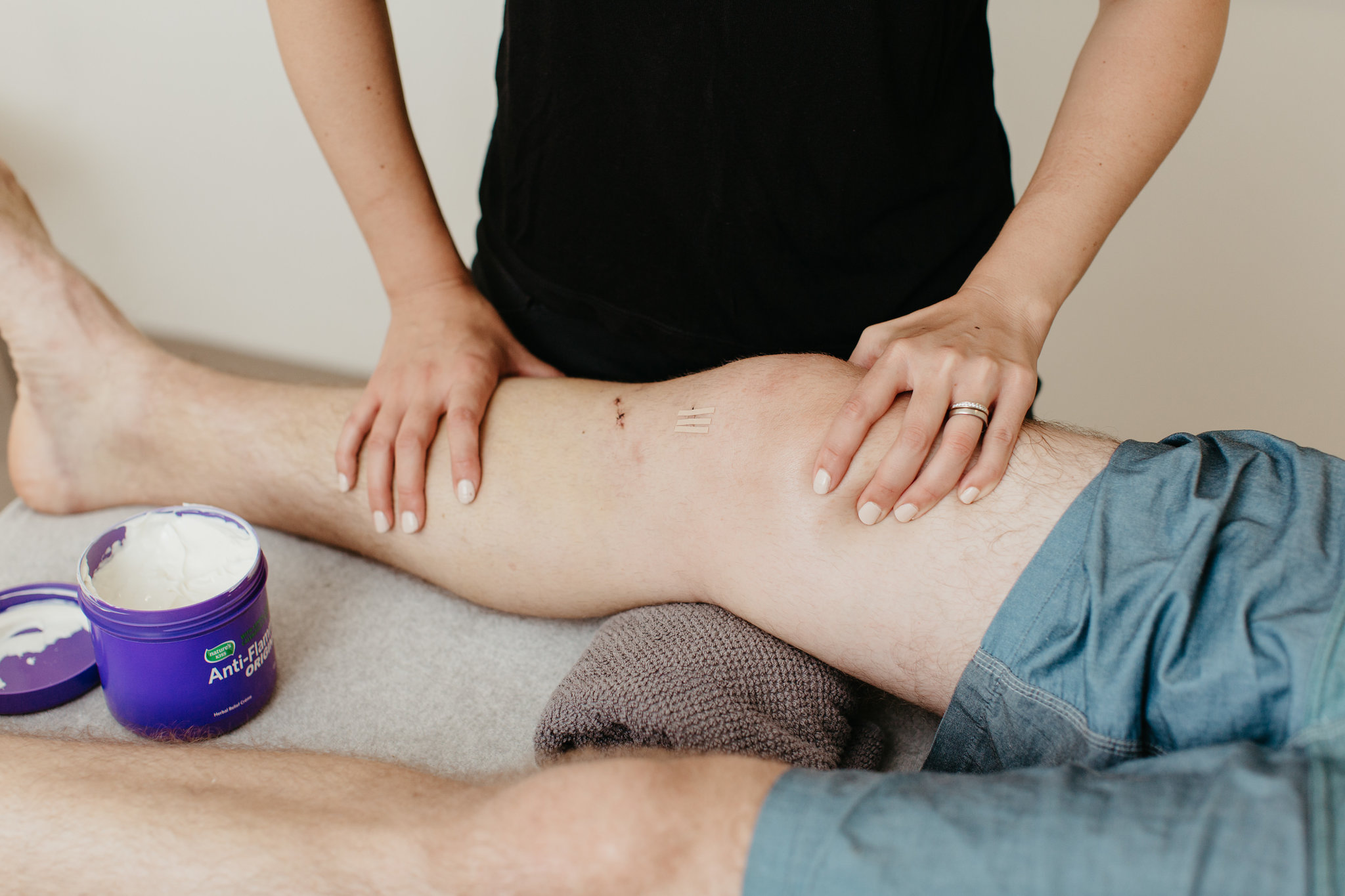
Hands-on treatment can be an important part of recovery. Whether you’re dealing with a sore back, shoulder pain, a sporting injury or recovering from surgery, manual therapy can help reduce pain, improve movement and get you moving again. With most clients we start here to help them with their immediate pain, educate them about their injury and help them to move better.

But we don’t stop there.

Once you are moving better, the next step is building strength, control, mobility and confidence so your body can handle the demands you place on it.

That’s where individualised exercise prescription comes in.

Our physiotherapists can assess how you move, identify areas that may be contributing to your symptoms and develop a program specifically for you. It might include strength exercises, mobility work, balance training, rehabilitation exercises or a gradual return to running, sport or the activities you love.

Prevention is part of physiotherapy too

This World Physiotherapy Day you don’t have to wait until something hurts to see a physiotherapist.

Physiotherapy can also play an important role in injury prevention and maintaining your physical health.

Maybe you’ve noticed that your knees ache after running. Your back gets sore after a day at work. You’ve lost some strength or balance as you’ve got older. Or you’re returning to exercise after having a baby.

These are all opportunities to address small issues before they become bigger ones.

Our aim is to help you understand your body, identify what it needs and give you the tools to keep moving well.

Exercise for every stage of life

At Physio On Miller, exercise rehabilitation extends beyond your individual physiotherapy appointment.

Our exercise classes provide a supportive way to build strength, mobility, balance and confidence, whether you’re recovering from an injury or simply wanting to stay strong and active.

Our classes include:

  • Healthy Bones to support bone strength, balance and healthy ageing
  • Clinical Pilates to improve strength, control and movement
  • Reformer Pilates for progressive, whole-body strength and conditioning
  • Mat Pilates for strength, mobility and body awareness
  • Yoga to support mobility, strength, balance and wellbeing

The right exercise can be incredibly powerful. It can help you recover from injury, reduce your risk of future problems and give you greater confidence in what your body is capable of.

This World Physiotherapy Day

We’re celebrating physiotherapy as a profession that helps people move, recover, strengthen and prevent.

Whether you’re recovering from an injury, returning to sport, managing an ongoing niggle or simply wanting to keep your body strong and capable, physiotherapy can be part of your long-term health plan.

At Physio On Miller, we combine hands-on treatment, personalised exercise prescription and exercise classes to help you not just recover, but keep moving well.

Your body is designed to move. Our job is to help you keep it moving.

If you’re ready to recover from an injury, prevent one from happening or simply move with more confidence, book an appointment with our team at Physio On Miller in Cammeray.
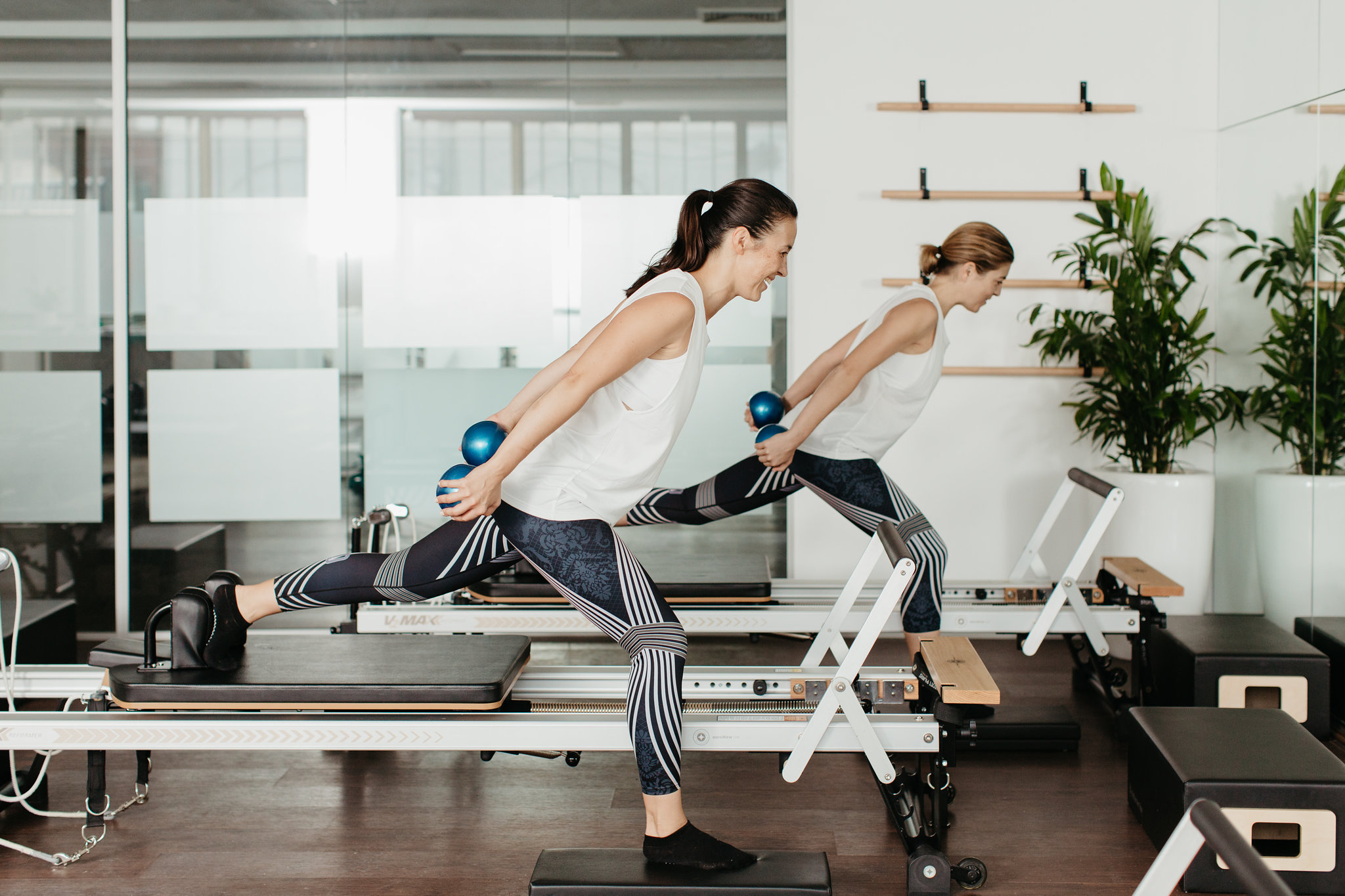
Women's Health Week Physio Pilates and Strength Training working together, Physio On Miller, Cammeray

Women’s Health Week – Do It Anyway: Moving with Confidence

Sometimes the hardest part of looking after your health is simply getting started. This year, Jean Hailes Women’s Health Week is encouraging women across Australia to “do it anyway” – to take small, realistic steps towards better health, even when life feels busy, motivation is low or there are barriers getting in the way. Running from 7–11 September 2026, the theme is a reminder that looking after your health doesn’t have to mean making huge changes overnight.

At Physio On Miller in Cammeray, we believe movement is an important part of women’s health at every stage of life. But exercise doesn’t have to mean running a marathon, spending hours in the gym or pushing yourself until you’re exhausted. It can simply mean finding ways to move more, build strength and feel confident in your body.

Women’s Health Week: Move more. Feel stronger. Do it anyway.

There are plenty of reasons women can find it difficult to stay active. Busy family and work lives, injury, pain, changing bodies, menopause, fear of getting hurt or simply not knowing where to start can all become barriers to exercise.

That’s where physiotherapy can help.

At Physio On Miller, our approach is about helping you understand your body and giving you the tools and confidence to move safely. Our physiotherapists combine their knowledge of the body with tailored exercise programs to help people work towards their individual goals.

Whether you’re returning to exercise after an injury, looking to build strength or simply wanting to become more active, the goal is the same: helping you feel capable of moving well.

Clinical Pilates for women in Cammeray

Pilates is a great way to develop strength, mobility, balance, control and body awareness. At Physio On Miller, our Pilates classes are taught by experienced physiotherapists, allowing exercises to be adapted to individual needs, injuries and goals.

We offer a range of physiotherapy-led Pilates and exercise classes in Cammeray, including:

  • Small group circuit-based classes with a Clinical Pilates focus – combining strength, mobility, balance and functional exercises in a supportive environment.
  • Reformer Pilates classes – using the resistance of the reformer to build strength, control, flexibility and fitness.
  • Mat Pilates classes – focusing on core strength, flexibility, posture and movement control.
  • Healthy Bones classes – designed specifically around bone health for people with osteoporosis or osteopenia.

Every client attending our Pilates classes completes a physiotherapy assessment first. This allows our physiotherapists to understand your history, lifestyle and goals and tailor exercises appropriately.

Supporting women’s bone health

Bone health is another important part of women’s health, particularly as we get older. Osteoporosis can cause bones to become weaker and more fragile, increasing the risk of fractures.

Our Healthy Bones class provides a specific focus on exercise and movement for people with osteoporosis or osteopenia. It is about more than simply exercising – it’s about helping you understand how to move, strengthen and maintain confidence in your body.

Building strength and supporting bone health can be an important part of staying active and independent as we age.

What will you “do anyway”?

This Women’s Health Week, perhaps “do it anyway” means taking one small step.

Maybe you book that physiotherapy appointment you’ve been putting off or try Pilates for the first time. Maybe you return to exercise after an injury. Or you could start strength training, go for a walk or simply make an effort to move a little more each day.

It doesn’t need to be perfect.

It just needs to start.

At Physio On Miller, we’re passionate about helping women of all ages become stronger, more active and more confident in their movement.

So this Women’s Health Week, take one small step towards your health.

Move more. Get stronger. Feel more confident. And, most importantly – do it anyway.

Ready to get moving?

Physio On Miller provides physiotherapy, Clinical Pilates and exercise rehabilitation in Cammeray and across Sydney’s Lower North Shore. If you’re unsure where to start, our physiotherapists can help you find an exercise approach that is appropriate for your body, goals and lifestyle. Book an appointment to see one of our friendly physiotherapists.

Physio Clinical Pilates Massage Physio On Miller Cammeray

Why Physio, Clinical Pilates and Massage Work Together

When you are dealing with pain, recovering from an injury or simply trying to stay strong and active, it can be difficult to know which treatment you actually need. Should you see a physiotherapist? Book a remedial massage? Try Pilates? Start strength training?

At Physio On Miller in Cammeray, we believe you should not have to choose. The best results often come from combining the right treatments and movement strategies at the right time. That’s why physio, Clinical Pilates and massage work together.

Our physiotherapist and massage therapist team work together to help you move well, recover fully and build a stronger, more resilient body.

Physiotherapy: Understand What Is Happening

Physiotherapy provides the foundation for your care. Your physiotherapist assesses your symptoms, movement, strength and mobility to understand what may be contributing to your problem.

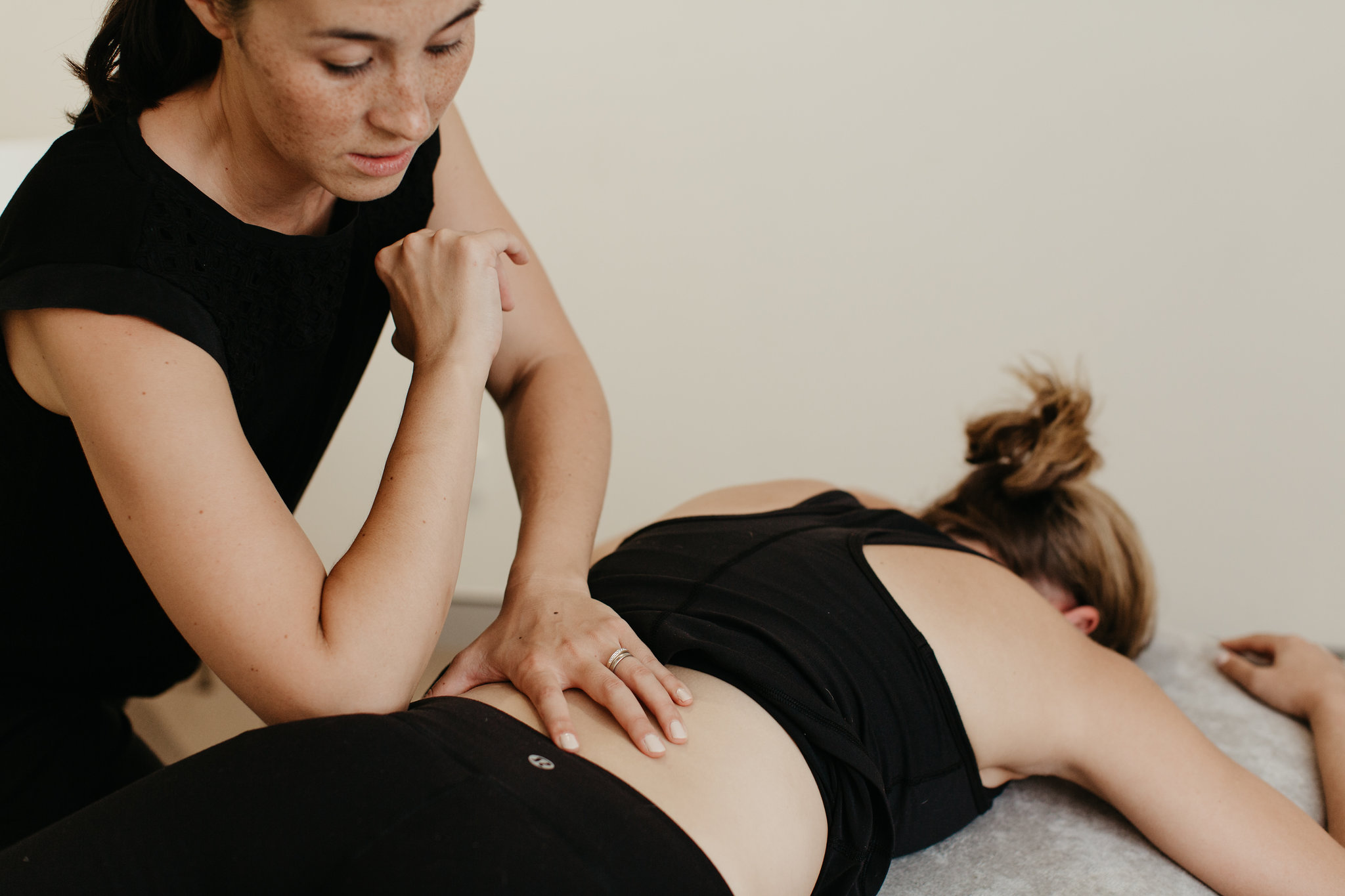
Our team uses hands-on physiotherapy treatment to help reduce pain, improve joint and soft tissue mobility and restore movement. However, treatment does not stop when you leave the treatment room. We will prescribe a home exercise program to maintain and progress the benefits received in clinic.

We want to understand why the problem developed in the first place and what you can do to reduce the risk of it returning.

Remedial Massage: Support Recovery

Remedial massage can complement physiotherapy by helping manage muscle tension, stiffness and the physical demands of everyday life and exercise.

Massage can be particularly useful for recreational athletes, busy professionals, parents and anyone who regularly feels tight or overloaded.

When appropriate, our physiotherapists and massage therapists can work alongside each other to support your recovery and help you maintain the movement you gain through treatment.

Clinical Pilates: Build Control and Confidence

Once pain and movement restrictions improve, your body needs to develop the strength and control to handle everyday demands.

Pilates provides an excellent way to build core strength, stability, mobility and body awareness. Our Pilates classes can help you develop better movement patterns while progressively challenging your body.

Pilates can be particularly valuable during postnatal recovery, through midlife and beyond, and for people returning to exercise after injury.

Exercise Rehab: Turn Recovery Into Resilience

Exercise rehab bridges the gap between feeling better and becoming stronger.

Our physiotherapists design targeted exercise programs to help you rebuild strength after injury, improve performance and prepare your body for the activities you enjoy. This might mean returning to running, getting back on the tennis court, preparing for a ski trip or simply feeling stronger in everyday life.

For some clients, our exercise rehab classes provide the structure and support they need to keep progressing.

A More Complete Approach to Your Health

The body does not work in separate compartments, so your treatment should not either.

At Physio On Miller, we look at the bigger picture. We combine hands-on physiotherapy, remedial massage, Pilates and exercise rehab to help you move from pain relief to recovery, recovery to strength, and strength to long-term resilience.

Whether you are managing an injury, returning to exercise, navigating postnatal recovery, building strength through perimenopause or planning for healthy ageing, we can help you create a movement plan that works for your body and your life.

Ready to Move Better?

If you are looking for physio, Clinical Pilates, massage or exercise rehab in Cammeray, talk to the team at Physio On Miller.

Book an appointment today and let us help you build a stronger, healthier and more resilient body.

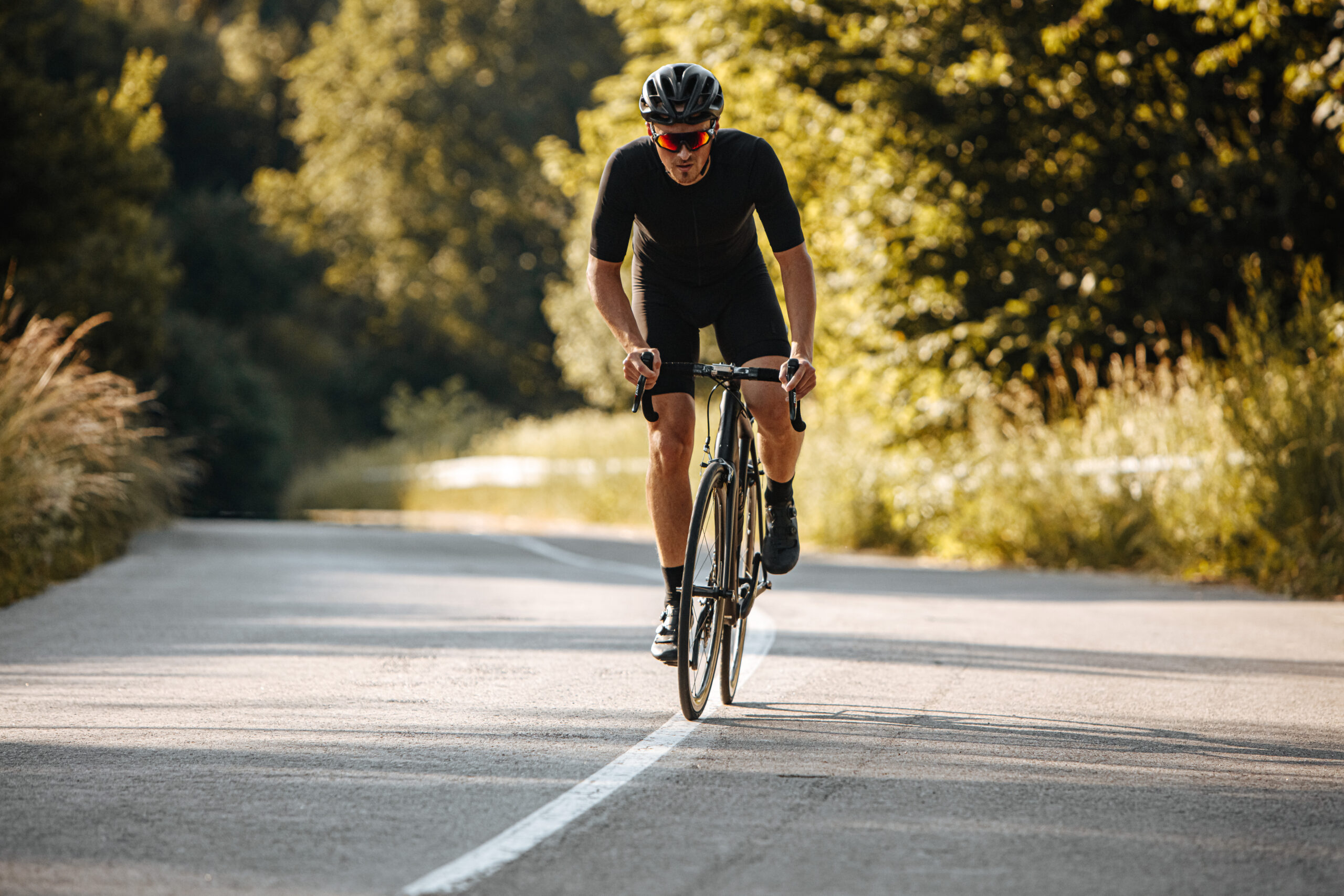
Cycling, Physio On Miller

Why Cycling Is One of the Best Forms of Exercise

Cycling is one of those rare activities that can be whatever you want it to be. It can be a competitive sport, a recreational hobby, a way to commute to work, an opportunity to explore new places, a form of rehabilitation, or an excellent cross-training option.

One of the things I love most about cycling is that it provides a fantastic workout without the impact associated with activities like running. It challenges your cardiovascular system, strengthens some of the largest muscle groups in the body and improves endurance, all while being gentle on your joints.

Because of this, cycling is a great way to build fitness, strength and confidence, particularly if you’re recovering from an injury, managing joint pain or looking for a safe and sustainable way to become more active.

Who Can Benefit from Cycling?

Cycling may be a great option if you:

  • Are recovering from an injury such as an ACL tear, ankle sprain, muscle strain or other knee injury.
  • Have a history of heart disease or find yourself becoming breathless during everyday activities.
  • Have knee or hip osteoarthritis and are looking for a low-impact form of exercise.
  • Would like to lose weight while improving your fitness and ability to walk or run further.
  • Are a runner looking to increase your training volume without significantly increasing your injury risk.
  • Want to improve your cardiovascular health while reducing stress on your joints.

Whether you’re returning to exercise after injury or looking to maintain your fitness as you age, cycling offers a versatile and accessible way to stay active.

Cycling Physiotherapy

If you’re already a cyclist and are dealing with an injury, struggling to get back on the bike after some time away, or finding that riding is leaving you sore and uncomfortable, it can be valuable to see a physiotherapist who understands the unique demands of the sport.

Some of the most common cycling-related issues we see include:

  • Neck and back pain
  • Knee pain, including patellofemoral pain syndrome and iliotibial band syndrome
  • Foot and ankle pain, including Achilles tendon injuries
  • Hand and wrist pain, including thumb joint pain and nerve irritation
  • Shoulder injuries and other issues following a cycling crash

During an assessment, we’ll identify the factors that may be contributing to your symptoms. These may include joint stiffness, muscle weakness, reduced mobility, training load errors, riding position or bike setup.

Treatment may include hands-on therapy, targeted strengthening exercises, mobility work, taping and advice regarding bike fit, training loads and workstation ergonomics where appropriate.

The goal isn’t simply to reduce pain. It’s to help you ride more comfortably, improve performance, prevent future injuries and keep doing the activities you enjoy.

Get Back to Riding with Confidence

Whether you’re new to cycling, returning from injury or training for your next event, the right advice and treatment can make all the difference.

At Physio On Miller, our team can help you address pain, optimise your movement and develop a plan to keep you riding stronger for longer.

Book an appointment today and let us help you get back on the bike with confidence.

About the Author

Felix is a proud member of Bicycle NSW and enjoys spending as much time as possible on two wheels. You’ll often find him riding through Flat Rock Gully on his commute to work, doing laps of Centennial Park or tackling the climb to Akuna Bay with his local cycling group in Ku-ring-gai National Park.

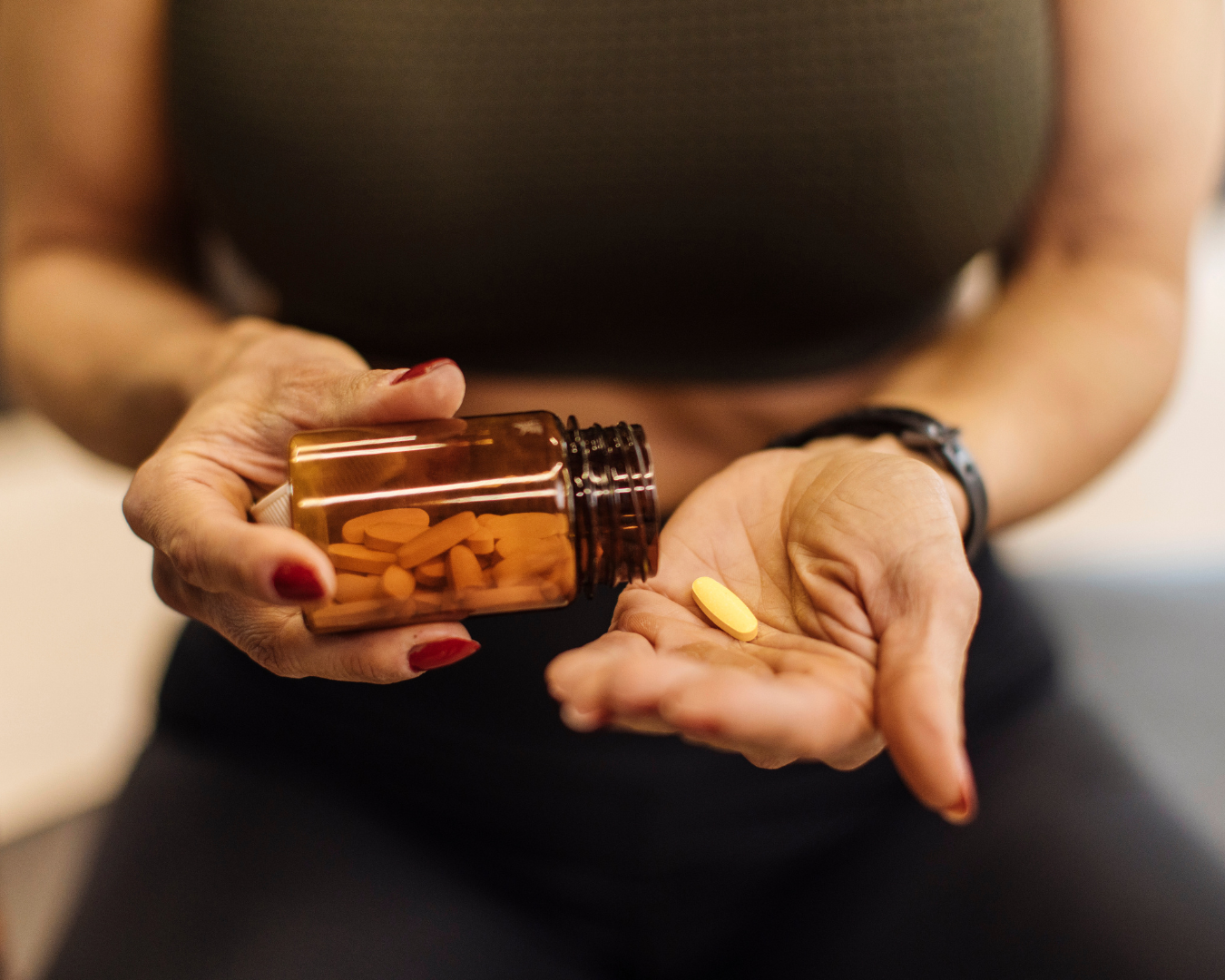
Supplements for Recovery, Bone Health and Performance: What Actually Works?

Supplements: The Building Blocks That Support Your Health, Recovery and Performance

Walk into any pharmacy or health food store and you’ll be faced with shelves full of supplements promising better health, stronger bones, improved energy and faster recovery. But which supplements are actually worth considering?

At Physio On Miller, we believe supplements can play a valuable role in supporting health, performance and recovery—but they’re exactly that: a supplement. They work best when built on a solid foundation of regular exercise, quality nutrition, adequate sleep and appropriate recovery strategies.

Let’s explore some of the most evidence-backed supplements and how they may benefit your body.

The Foundation Comes First

Before reaching for supplements, it’s important to recognise that no pill or powder can replace the fundamentals.

Before reaching for supplements, it’s important to recognise that no pill, powder or capsule can replace the fundamentals of good health. While supplements can provide additional support, they work best when the foundations are already in place.

Regular exercise – particularly strength training – is one of the most powerful tools we have for maintaining muscle mass, building bone density, improving balance and reducing injury risk. This becomes even more important as we age, when natural declines in muscle and bone can impact function, performance and overall quality of life.

Nutrition is equally important. A balanced diet rich in protein, fruits, vegetables, whole grains and healthy fats provides the nutrients your body needs to fuel activity, repair tissues, support immune function and recover from exercise. Many nutrients work together within the body, and these complex interactions can’t always be replicated by a supplement alone.

Sleep is another often-overlooked pillar of health. During sleep, the body performs much of its recovery and repair work. Muscle adaptation, tissue healing, hormone regulation and nervous system recovery all occur while we rest. Consistently poor sleep can affect energy levels, recovery, injury risk and even the body’s ability to respond to exercise.

Recovery strategies such as managing training loads, allowing adequate rest between sessions and addressing injuries early also play a critical role in long-term health and performance. No supplement can compensate for chronic under-recovery or overtraining.

Think of supplements as the final layer rather than the foundation itself. They can help fill nutritional gaps, support specific health needs or provide additional benefits when combined with healthy habits. But without regular movement, good nutrition, quality sleep and appropriate recovery, even the best supplement is unlikely to deliver meaningful results.

At Physio On Miller, we encourage a “foundation first” approach – focusing on the habits that have the greatest impact before considering what additional support may be beneficial.

Creatine: More Than Just a Gym Supplement

Creatine is one of the most researched supplements available and is no longer reserved for bodybuilders. It helps produce energy during high-intensity exercise, supporting strength, power and muscle performance. Emerging research also suggests benefits for healthy ageing, muscle preservation and even cognitive function.

For adults over 40, creatine may help maintain muscle mass, support recovery from training and assist in preserving strength as we age. This makes it particularly valuable for those participating in resistance training or rehabilitation programs.

Magnesium: Supporting Recovery and Nervous System Health

Magnesium is involved in more than 300 processes within the body, including muscle function, nerve signalling and energy production.

Many people don’t consume adequate amounts through their diet alone. Low magnesium levels may contribute to muscle cramps, poor sleep quality, fatigue and increased muscle tension.

For active individuals, magnesium may support muscle recovery, relaxation and sleep quality – three critical components of injury prevention and overall wellbeing.

Vitamin D and Calcium: A Powerful Partnership for Bone Health

Vitamin D and calcium work together to support strong bones and reduce the risk of osteoporosis and fractures.

Calcium provides the structural building blocks for bones, while vitamin D helps the body absorb and utilise calcium effectively.

This combination is particularly important for older adults, post-menopausal women and anyone with limited sun exposure. Maintaining adequate levels can help support bone density, reduce injury risk and contribute to long-term musculoskeletal health.

As physiotherapists, we often emphasise that supplements alone won’t build strong bones. Bone-loading exercise and resistance training remain essential for stimulating bone growth and maintaining strength throughout life.

Omega-3: Supporting Inflammation, Recovery and Heart Health

Omega-3 fatty acids, commonly found in oily fish and fish oil supplements, have well-established benefits for overall health.

Omega-3s may help support cardiovascular health, brain function and healthy inflammatory responses. For active individuals, they may assist recovery by helping manage exercise-induced inflammation and supporting joint health.

While inflammation is a normal part of healing, excessive or chronic inflammation can impact recovery and performance. Omega-3s can be one tool within a broader recovery strategy.

The Bottom Line

Supplements can be a useful addition to your health toolkit, particularly when guided by individual needs and professional advice. However, they work best when paired with the foundations of good health: regular exercise, nutritious food, quality sleep and appropriate recovery.

At Physio On Miller, we take a holistic approach to helping you move well, recover effectively and stay active for the long term. Whether you’re managing an injury, building strength, supporting bone health or looking to optimise performance, we’re here to help you create a sustainable plan that works for your body.

Ready to build a stronger foundation for your health and performance? Book an appointment with the team at Physio On Miller and discover how targeted exercise, recovery strategies and evidence-based advice can help you achieve your goals.